
Social Solutions
Large-Scale Program Implementation
From Strategy to Impact at Scale.
MART Global designs and implements complex, large-scale programs through community participation, institutional partnerships, market linkages and technology-enabled execution.
Our Experience
Building Programs That Work on the Ground.
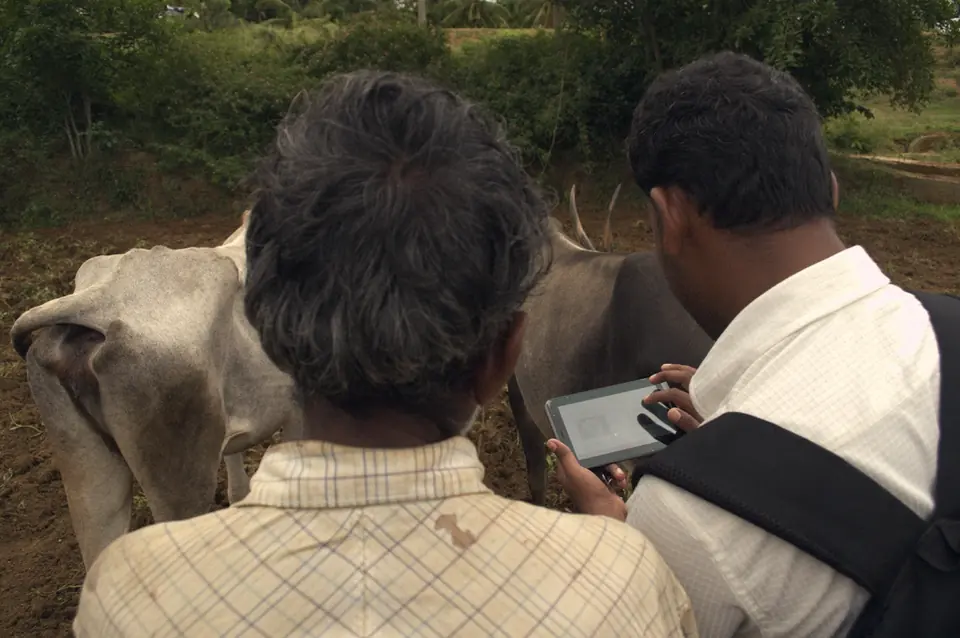
MART Global designs and implements large-scale programs with communities, government departments and development partners — often in some of the most remote and vulnerable regions.
Our experience spans community development, livelihoods, agriculture, producer organisations, market development, capacity building, government programs and CSR programs. What makes our implementation different is not a single method, but a philosophy: six principles that shape how every program is designed, staffed and measured.
“Implementation is not the final step. It is where strategy is tested.”
The Six Principles
Six Principles. One Implementation Philosophy.
Select a principle to see how it shapes our programs — from who we reach first to the technology we deploy.
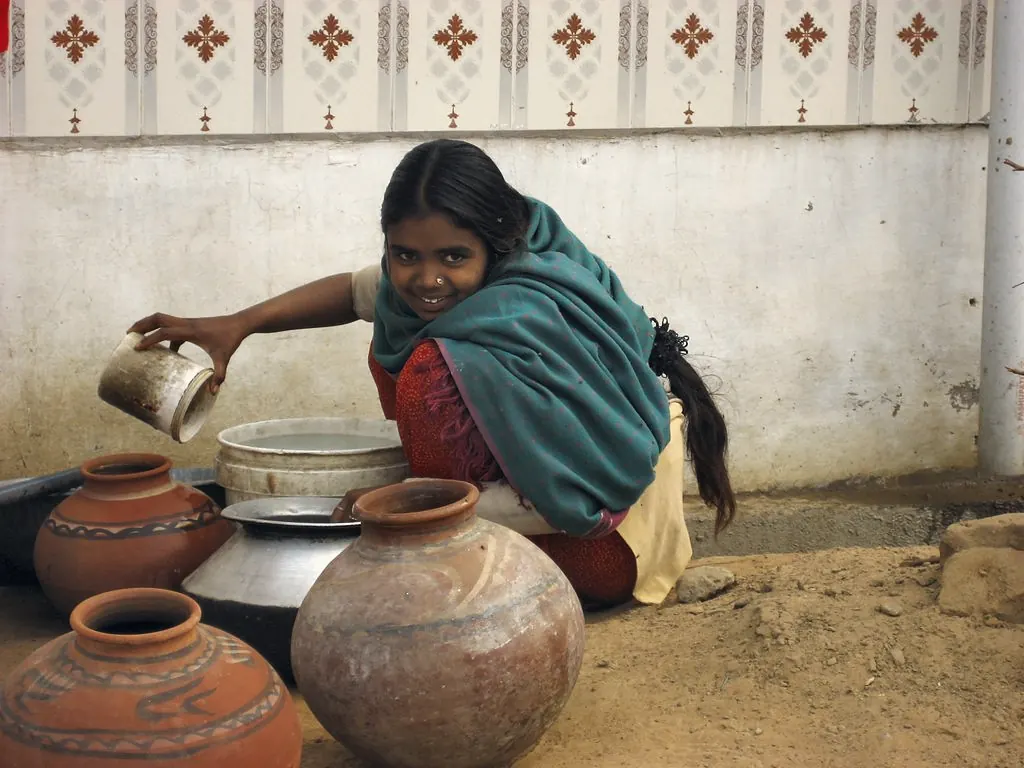
We begin with those most at risk of being left behind. Through participatory rural appraisal and social mapping, programs identify and prioritise vulnerable households — landless families, women-led households and families trapped in heavy debt.
- Vulnerable households first
- Landless families
- Women-led households
- Heavily indebted households
- Participatory rural appraisal
- Social mapping
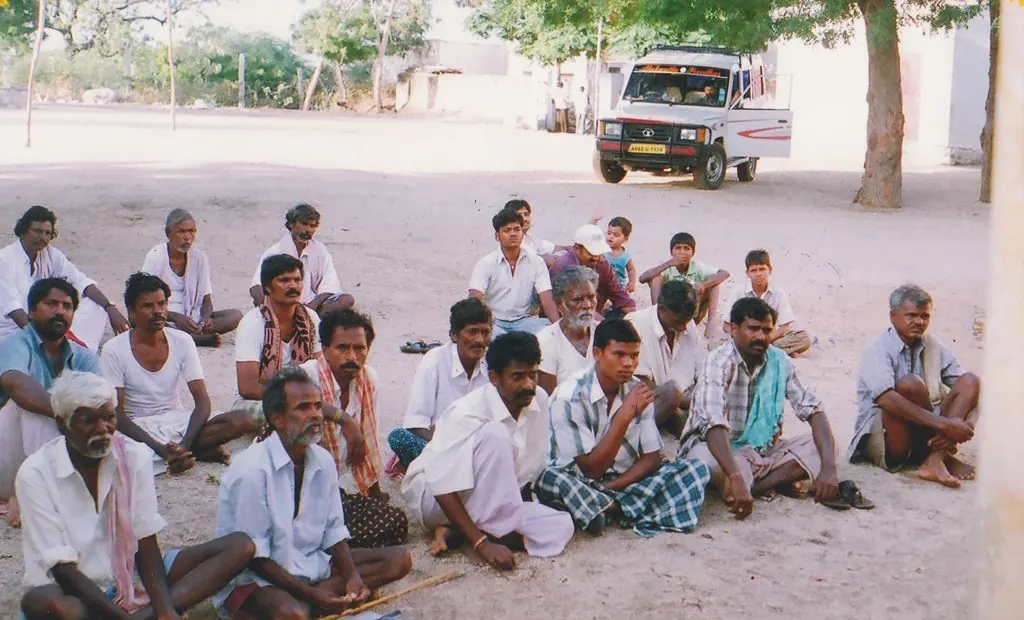
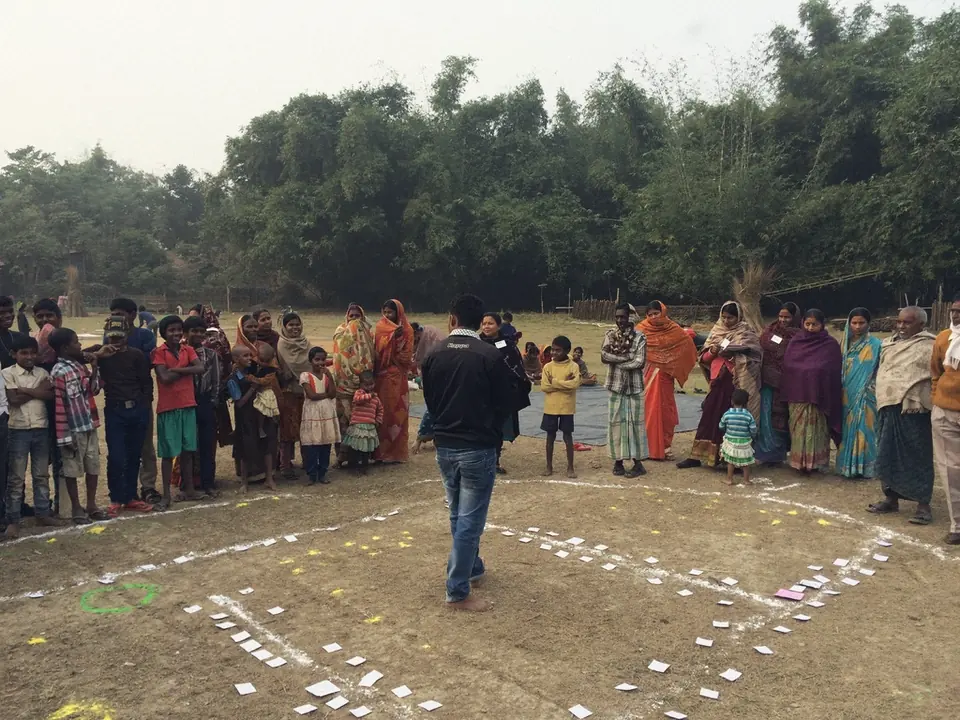
Communities are partners, not beneficiaries. Local youth and volunteers help identify participants, and training cascades through Training of Trainers so that skills stay within the community.
- Local youth & volunteers
- Beneficiary identification
- Community participation
- Training & capacity building
- Training of Trainers (ToT)
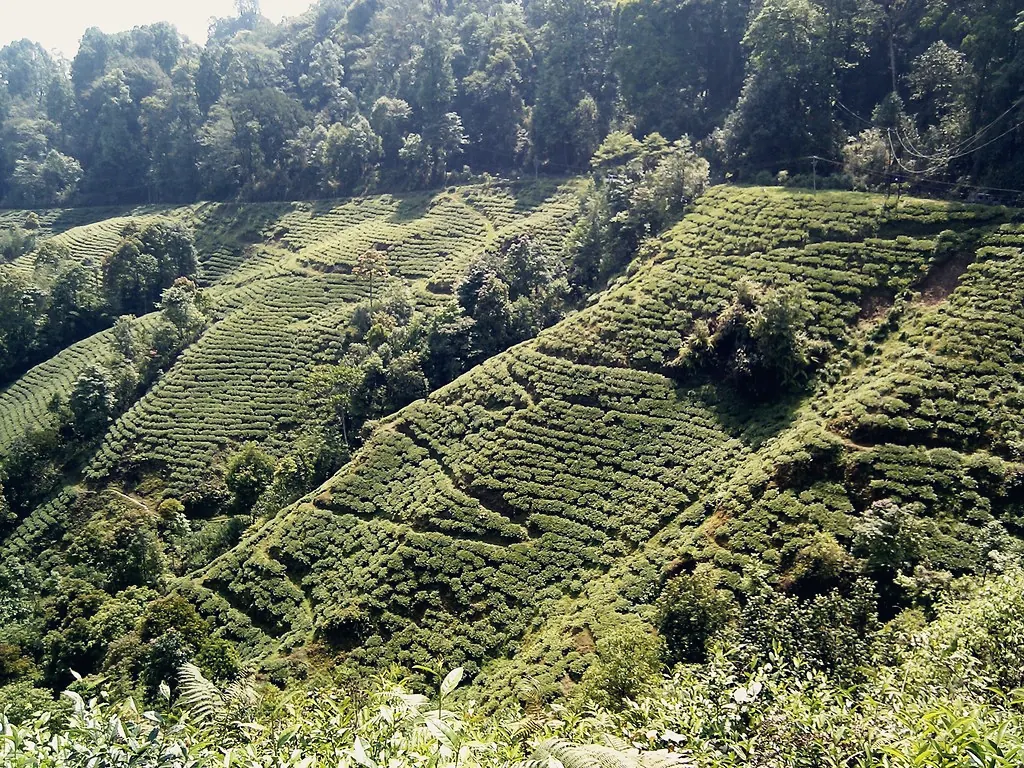
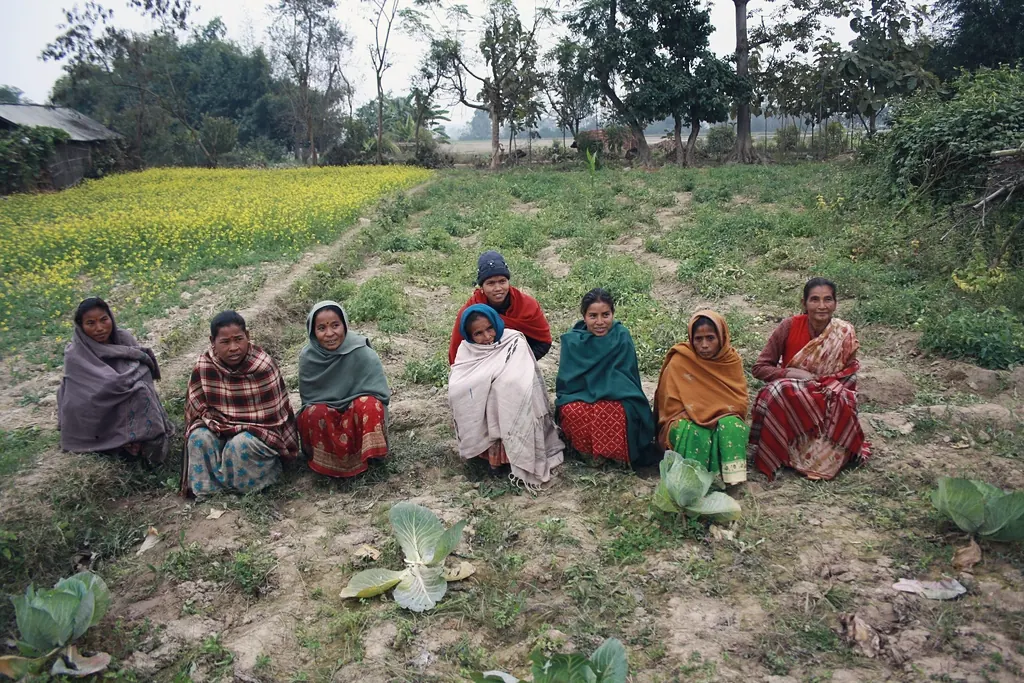
Livelihoods and ecology are designed together. Income augmentation is paired with forest conservation and community training, so that protecting natural resources also strengthens household income.
- Income augmentation
- Forest conservation
- Ecological benefits
- Sustainable livelihoods
- Community training
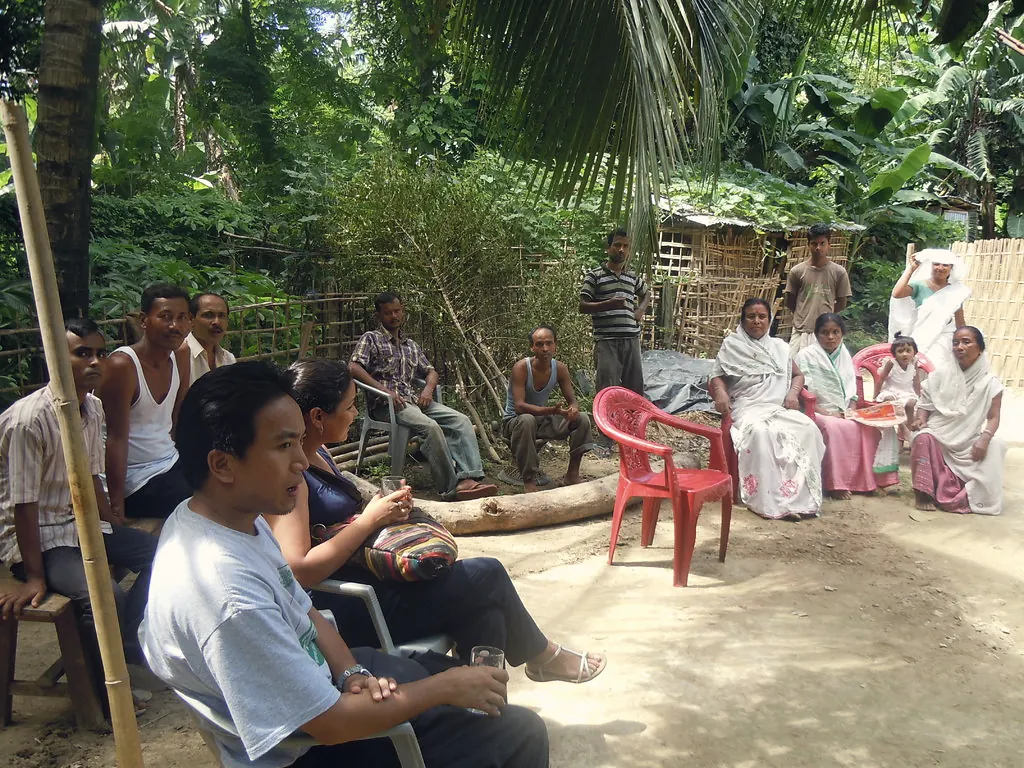
Programs are co-owned. Communities, government departments, field officials, local institutions and program stakeholders share responsibility for planning, delivery and results.
- Communities
- Government departments
- Field officials
- Local institutions
- Program stakeholders
- Shared responsibility
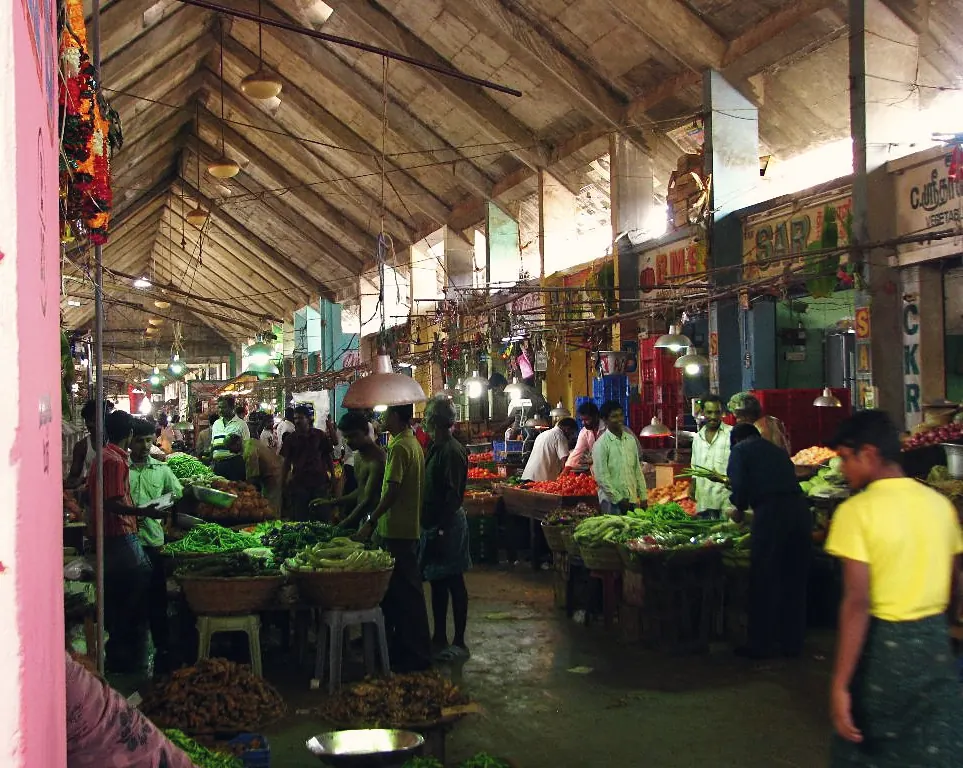
We look for interventions that can transform incomes — high-demand commodities, market-led development and convergence with government schemes — to unlock value-chain opportunities at scale.
- High-demand commodities
- Market-led development
- Government scheme convergence
- Value-chain opportunities
- Profitability improvement
- Scale-oriented interventions

Digital tools make programs transparent and efficient — from mobile applications and traceability to digital payments, QR codes and real-time monitoring — while digital literacy ensures communities benefit directly.
- Mobile applications & digital tools
- Traceability & QR codes
- Digital payments
- Digital literacy
- Program monitoring
- Digital authentication where relevant
Implementation Model
From Community Insight to Scalable Outcomes.
Six stages, one continuous loop of learning. Each stage builds the conditions for the next — and for the program to sustain itself.
-
01
Understand
Baseline studies, livelihood mapping and participatory appraisal to understand households, resources and constraints.
-
02
Co-Design
Programs designed with communities and partners — aligning local priorities with government schemes and market opportunities.
-
03
Build Capacity
Training, Training of Trainers and institution building — SHGs, JLGs, producer groups and FPOs that can carry the work forward.
-
04
Implement
On-ground delivery by field teams embedded in communities, supported by clear processes and digital monitoring.
-
05
Connect Markets
Linking producers to buyers, value chains and services so that new skills and assets translate into income.
-
06
Measure & Scale
Midline and endline measurement, learning loops and scale-up plans built on evidence.
The Impact Ecosystem
Impact radiates from communities outward.
Sustainable programs are ecosystems. Each layer strengthens the next — from households and their institutions to government, partners and markets.
- 01
Communities
Households and community members at the centre of every decision.
- 02
Local Institutions
SHGs, producer organisations, FPOs and local bodies that hold the program together.
- 03
Government + Partners
Departments, CSR partners and development agencies working in convergence.
- 04
Markets
Buyers, value chains and services that make livelihoods viable.
- 05
Sustainable Impact
Lasting change in income, resilience and wellbeing.
How Else Can We Help?
Better programs start with better evidence.
MART’s research and strategy capabilities help partners design programs, measure progress and build the business models that make impact self-sustaining.
-
Research & Strategy
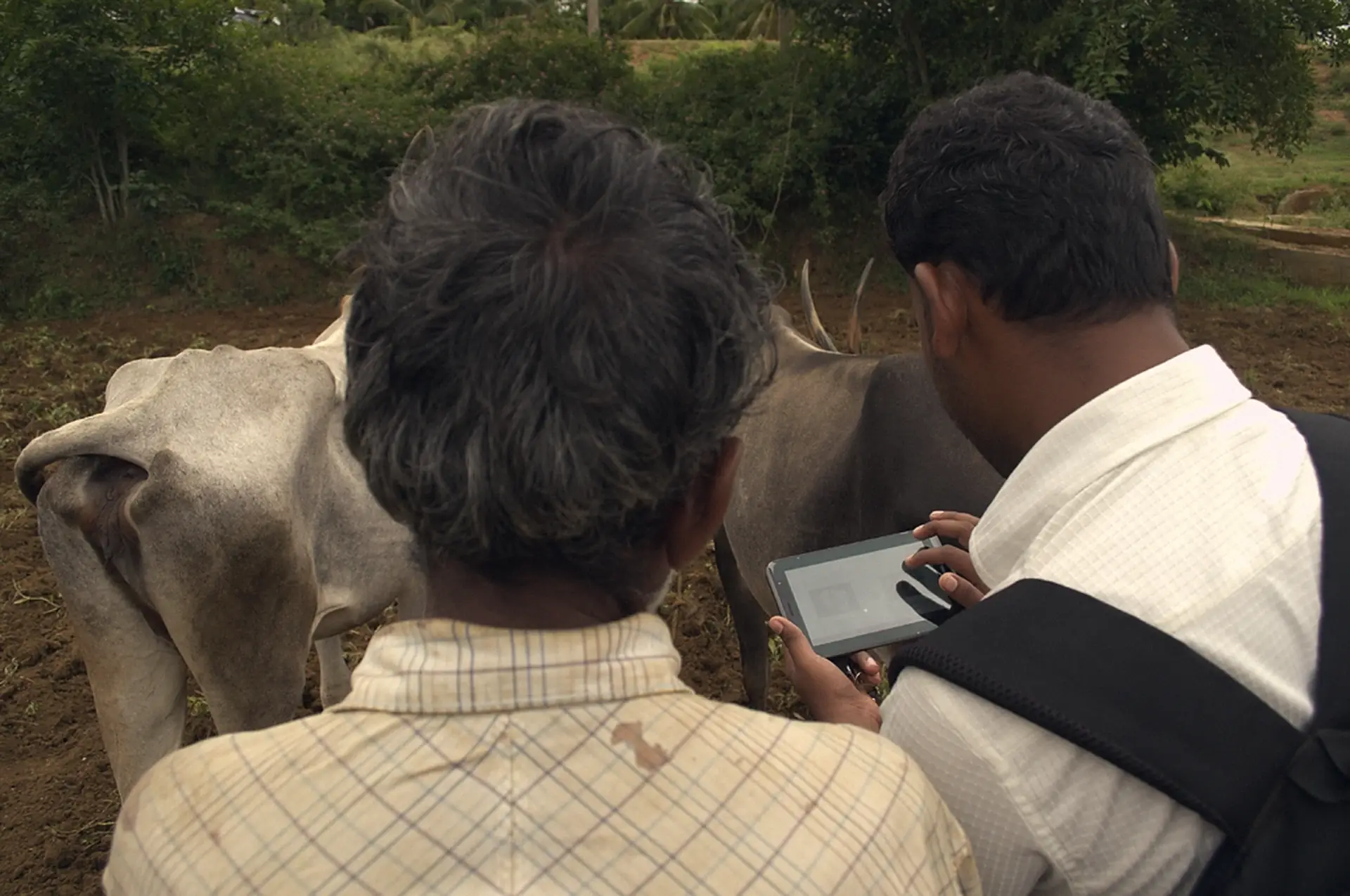
Market intelligence, baselines and strategic advisory to design better programs.
Explore -
Business Model Innovation
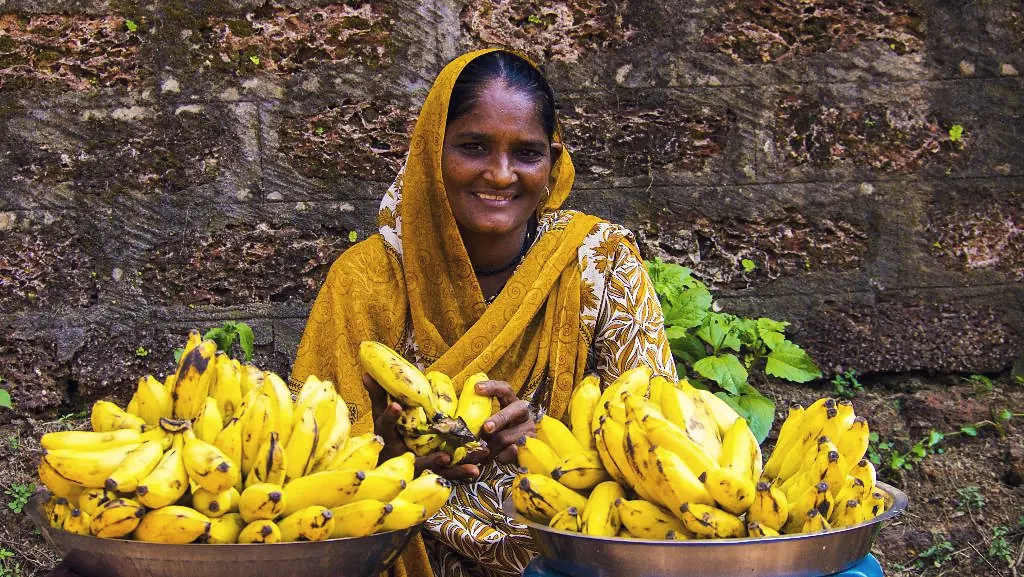
Sustainable enterprise models for producer groups, collectives and rural ventures.
Explore -
Strategic Activation
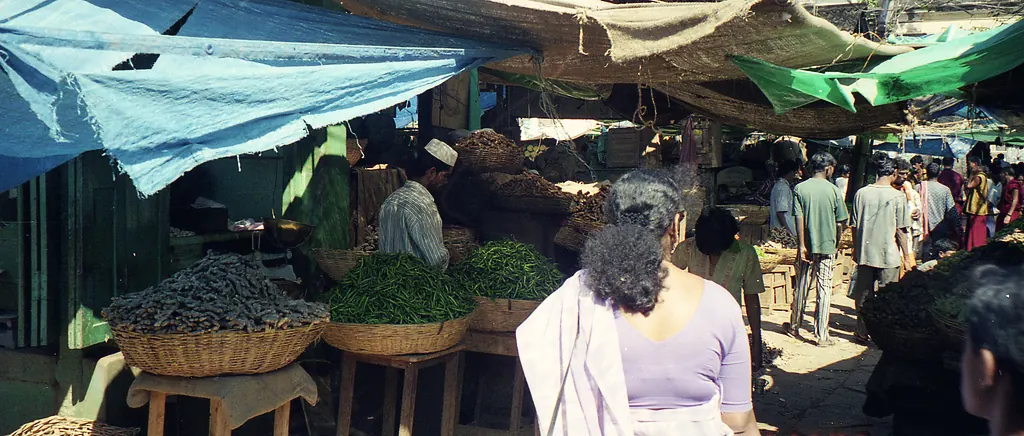
Launching and scaling initiatives on the ground, with the reach to make them work.
Explore

Partner with us
Let’s turn ambition into impact at scale.
From program design to on-ground delivery and measurement — talk to us about the change you want to create.